
Myopia Management for Growing Children
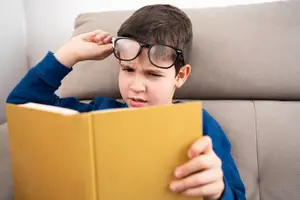
Parents often notice the first signs of myopia when a child begins to squint at the classroom board, holds books very close, or struggles to recognize distant objects. As one of the most common refractive errors in childhood, myopia can develop gradually, making routine eye care and regular eye exams an important part of a child's healthcare.
At Prairie Eye Care - Northgate, our optometrists care for children from infancy through adolescence, helping families understand changing vision and providing myopia management that fits each child's needs. Whether your family lives in the heart of Winnipeg or commutes from surrounding communities, early care can make a lasting difference.
What Is Myopia in Children?
Myopia, or nearsightedness, is a common refractive error that causes distant objects to appear blurry because the myopic eye grows longer than normal. As children grow, their prescription may continue to change, a process known as myopia progression. While glasses improve vision, myopia management, also called myopia control, helps slow these changes and supports long-term eye health. Signs parents may notice include:
- Squinting to see distant objects
- Sitting very close to the television
- Holding books or tablets close to the face
- Frequent headaches after school
- Complaints of blurry distance vision
- Difficulty seeing the whiteboard in class
Some children adapt so well that they never mention blurry vision. Regular children's eye exams can identify these changes before they begin affecting learning, sports, or everyday activities.
Why Is Childhood Myopia Becoming More Common?
Across Canada, more children are spending time reading, completing homework, and using digital devices. Increased screen time and less time outdoors have become common parts of daily life, particularly during Manitoba's long winters.
Lifestyle changes contribute to the growing number of children developing myopia. Family history also plays an important role. If one or both parents are nearsighted, their child has a greater chance of developing myopia.
Although genetics cannot be changed, healthy visual habits, outdoor play, and early treatment can help slow the progression of myopia.
How Myopia Management Helps Slow Vision Changes
Myopia management helps slow the progression of myopia while a child's eyes are still developing. Our optometrists monitor changes in axial length and eye growth to help reduce the long-term risk of high myopia, retinal detachment, and other sight-threatening eye diseases. At Prairie Eye Care - Northgate, we create personalized myopia control plans based on each child's vision, lifestyle, and eye health.
MiSight® Contact Lenses
MiSight® 1-day contact lenses are designed for children with progressing myopia. These soft contact lenses correct vision while helping slow myopia progression.
Many active children enjoy the freedom contact lenses provide during sports, dance, and other recreational activities. Our eye doctors carefully assess whether contact lenses are appropriate and teach both children and parents how to wear and care for them safely.
Stellest® Lenses
Stellest® spectacle lenses allow children to enjoy clear vision while helping manage myopia progression. They look similar to regular prescription glasses, making them an excellent choice for children who prefer wearing eyewear or are not ready for contact lenses.
Our optometrists will discuss whether Stellest® lenses are a good fit for your child based on your child's prescription and lifestyle.
Other Myopia Control Options
Depending on your child's needs, our optometrists may also recommend atropine eye drops as part of a personalized myopia control plan. Every treatment recommendation is based on your child's age, prescription, lifestyle, and overall eye health.
When Should Your Child Have an Eye Exam?
Many children assume everyone sees the world the same way they do. That means blurry distance vision can go unnoticed for months or even years.
Regular children's eye exams help identify vision changes early, often before they begin affecting school performance or daily life. They also allow our optometrists to monitor for changes that could increase the risk of future eye disease. Consider booking an appointment if your child shows any signs of myopia or visual discomfort.
Our Top Tips for Supporting Healthy Vision at Home
Parents play an important role in protecting their children's vision. Simple daily habits include:
- Encouraging outdoor play whenever possible
- Taking regular breaks during homework and screen time
- Keeping books and devices at a comfortable reading distance
- Maintaining regular eye examinations
- Following the recommended myopia management plan
- Wearing UV protection, like sunglasses or hats, in sunny weather
These small habits, combined with professional care, can make a meaningful difference throughout childhood.
Protect Growing Eyes with Children's Eye Care in Winnipeg, MB
For more than 15 years, Prairie Eye Care - Northgate has cared for families across Winnipeg with thoughtful, research-driven eye care. Our team works closely with parents to monitor children's myopia, answer questions, and recommend treatments that fit each child's needs.
If you've noticed changes in your child's vision, or it's time for their routine children's eye exams, book their comprehensive eye exam. Early care can support clearer vision throughout childhood and beyond while reducing the risk of future eye disease associated with high myopia.