
Children's Eye Exams & Summer Vision Health in Prairie Eye Care - Northgate
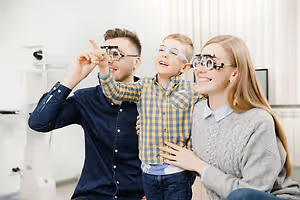
As summer approaches, many parents focus on registration forms, sports equipment, and family vacation plans. Pediatric eye care deserves a place on that checklist, too.
Children use their eyes constantly during summer activities. Whether they are tracking a baseball, riding a bike, reading at camp, or spending time at the pool, clear vision plays a major role in safety, learning, and enjoyment. A routine eye exam in Winnipeg, MB in Prairie Eye Care - Northgate can identify vision concerns before they affect summer plans.
Why Summer Is a Good Time for a Child's Eye Exam
The school year often provides clues about a child's vision. Teachers may notice reading difficulties, parents may see signs of eye strain, or children may mention headaches after a long day in the classroom.
Summer offers a convenient opportunity to address those concerns before a new school year begins. Scheduling a kids' eye exam before summer activities start gives families time to:
- Update glasses prescriptions
- Discuss contact lenses for sports and recreation
- Monitor changes in vision
- Address symptoms such as headaches or eye strain
- Evaluate visual skills that support learning and athletic performance
- Prepare for the upcoming school year
Signs Your Child May Need an Eye Exam
Children do not always recognize when their vision is changing. Many assume everyone sees the world the same way they do, which can make vision problems difficult to spot.
1. Frequent Headaches
When a child struggles to focus clearly, their eyes may work harder throughout the day. This extra effort can contribute to headaches, especially after reading, doing homework, or using screens.
2. Squinting or Sitting Too Close
Children often squint to make distant objects appear clearer. They may also move closer to books, tablets, televisions, or classroom materials when they have trouble seeing comfortably.
3. Difficulty Following a Ball
Summer sports rely on strong visual skills. If your child has trouble tracking a moving ball or judging distance during activities, vision may be playing a role.
4. Eye Rubbing or Tired Eyes
Frequent eye rubbing, blinking, or complaints of tired eyes can signal that a child's visual system is working harder than it should.
5. Reading Challenges
Some children lose their place while reading, skip words, or avoid reading altogether. These challenges are sometimes connected to vision concerns rather than a lack of interest in books.
6. Changes at School
A decline in classroom performance, trouble concentrating, or frustration with schoolwork may sometimes be linked to an undetected vision issue.
Kids' Eye Exams Are More Than a Vision Screening
A school vision screening can identify some vision concerns, but it does not replace a comprehensive eye exam. While screenings often focus on distance vision, a comprehensive eye exam evaluates many aspects of your child's visual system, including:
- Visual acuity
- Eye coordination
- Focusing ability
- Depth perception
- Eye health
- Changes in vision, including myopia
Some children pass a vision screening but still experience challenges that affect reading, learning, sports, or everyday activities. Regular eye exams help identify concerns early and support healthy visual development.
Myopia: How Eye Exams Help With This Growing Concern
Myopia, also known as nearsightedness, is becoming more common among children. Children with myopia can often see nearby objects clearly but may struggle to see distant objects such as classroom boards, road signs, or sports equipment.
Regular eye exams allow our optometrist in Winnipeg, MB to monitor vision changes, discuss myopia management options when appropriate, and help protect your child's long-term eye health. At Prairie Eye Care, we provide pediatric eye care that includes monitoring and managing myopia as children grow.
Give Your Child a Strong Start to Summer in Prairie Eye Care - Northgate, MB
Summer is full of sports, camps, outdoor activities, and family adventures. A comprehensive eye exam can help your child enjoy every moment with clear, comfortable vision.
Book your child’s eye exam in Winnipeg, MB at Prairie Eye Care to get family-focused eye care. Our team helps families across Prairie Eye Care - Northgate support healthy vision throughout the summer and beyond.
Kids’ Eye Exam FAQs
At What Age Should Children Have Their First Eye Exam?
The Canadian Association of Optometrists recommends that children have their first eye exam between six and nine months of age.
Regular follow-up visits help monitor vision development throughout childhood.
How Often Should Children Have Eye Exams?
Most school-age children benefit from annual eye exams. Our optometrist may recommend a different schedule depending on your child's vision needs, eye health, and family history.
Can Children Wear Contact Lenses for Sports?
Many children can successfully wear contact lenses for sports and recreational activities. Our optometrist can discuss whether contact lenses are appropriate for your child based on your child's age, maturity, prescription, and lifestyle.