
Back-to-School Eye Exams: Backpacks, Lunch Kits & Clear Vision
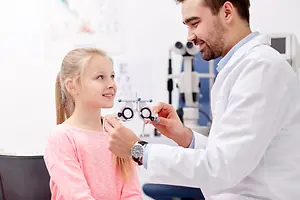
A fresh backpack, sharpened pencils, indoor shoes that somehow disappear by October. Winnipeg families have plenty to think about before a new school year begins. Your child’s vision deserves a place on that list, too.
Clear, comfortable vision supports many everyday classroom activities, from reading a book to following information at the front of the room. A children’s eye exam gives your optometrist a closer look at how your child sees and how their eyes work together.
At Prairie Eye Care, we provide pediatric vision care for children as young as six months across our four Winnipeg clinics. A back-to-school eye exam can give your family useful information about your child’s vision before another busy school year gets rolling.
Why Does a Back-to-School Eye Exam Matter?
Children use their vision throughout the school day. They shift their focus between books, tablets, teachers, whiteboards, classmates, and activities across the room.
A comprehensive eye exam looks beyond whether your child can read letters from a distance. Your optometrist can assess areas such as visual acuity, eye movement and coordination, binocular vision, depth perception, and overall eye health.
These skills can affect how comfortably a student completes visual tasks throughout the day.
Prairie Eye Care takes a family-centred approach to pediatric eye care. We use age-appropriate testing and explain our findings clearly to both parents and children. The goal is simple: help your family understand what your child’s eyes need as they grow.
What Vision Problems in School Can Look Like
Children may have trouble describing a vision concern. Their eyesight is simply the way the world has always looked to them.
Parents and teachers can sometimes spot clues through everyday behaviour. Signs worth discussing with an optometrist include:
- Squinting when looking across the classroom
- Moving closer to screens or distant objects
- Headaches or tired eyes during visual tasks
- Losing their place while reading
- Trouble with eye tracking or coordination
- Frequent changes in a glasses prescription
A change in school habits can have many possible causes, which is why a comprehensive eye exam provides useful context. Rather than guessing from behaviour alone, your optometrist can assess your child’s visual system directly.
Is a Child Vision Screening the Same as an Eye Exam?
A child vision screening and a comprehensive eye exam serve different purposes.
A screening can flag certain possible vision concerns and may suggest that a child needs further assessment. A comprehensive eye exam gives an optometrist the opportunity to examine vision in greater depth, including eye coordination and overall eye health.
Prairie Eye Care provides comprehensive eye exams tailored to a child’s age and needs.
For Winnipeg families, there is another helpful reason to keep annual appointments on the calendar. Manitoba Health covers annual children’s eye exams through age 18, including exams for 18-year-olds until their 19th birthday.
When Should Kids Have a Back-to-School Eye Exam?
The Canadian Association of Optometrists recommends a first eye exam between six and nine months of age, another between ages two and five, and annual exams beginning at age six.
That makes the weeks surrounding the start of school a convenient reminder for many families.
An eye exam for students also gives your optometrist an opportunity to compare findings from year to year. Children’s eyes can change as they grow, and that history helps the eye care team see how their vision is developing over time.
Regular exams can become part of the school-year rhythm, much like new shoes, class schedules, and the yearly hunt for a lunch container with a matching lid.
How Can a Kids Eye Exam Help With Myopia?
School-age children can develop myopia, or nearsightedness, which makes distant objects appear blurry. A parent may first notice their child squinting at signs or struggling to see information across the classroom.
When myopia progresses, Prairie Eye Care can discuss options based on the individual child. The practice offers myopia management with MiSight® daily disposable contact lenses and Stellest® spectacle lenses.
These options are designed to provide clear vision while helping slow myopia progression.
Regular kids eye exams give your optometrist the chance to monitor prescription changes and talk with you about whether myopia management fits your child’s needs and routine.
Where Can Families Get Student Eye Exams in Winnipeg?
Prairie Eye Care has spent more than 15 years caring for Winnipeg families, including many who stay with the practice across generations.
Our team understands that children bring different personalities to an eye exam. Some arrive full of questions. Others need a little time before they feel comfortable. Our optometrists use child-friendly testing and take the time to explain what is happening along the way.
Families can access care through four Winnipeg locations: Northgate, Transcona/Park City, McIvor, and Sterling Lyon. Each clinic is part of the same Prairie Eye Care family, giving patients consistent, thoughtful care across the city.
Book a Back-to-School Eye Exam in Winnipeg?
A new school year brings plenty of changes. Giving your child’s vision some attention before classes get busy can help you head into the year with a clearer picture of their eye health and visual needs.
Prairie Eye Care provides children’s vision testing and family eye care across Winnipeg at our Northgate, Transcona/Park City, McIvor, and Sterling Lyon clinics.
Book an eye care appointment for your child’s back-to-school eye exam with Prairie Eye Care today.